

Shingles
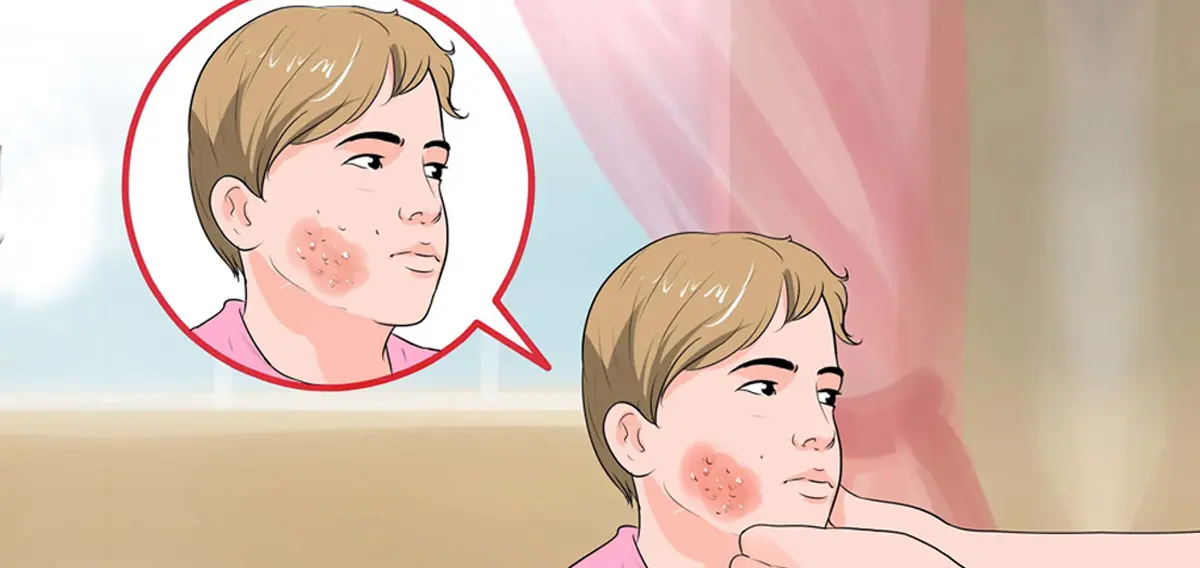
Shingles, medically known as Herpes zoster, is a viral infection that causes a painful skin rash. It is caused by the Varicella zoster virus (VZV), the same virus responsible for chickenpox. VZV belongs to the herpesvirus family.
After a person recovers from chickenpox, the virus does not completely leave the body. Instead, it can remain inactive, or latent, within nerve tissues. Years or even decades later, the virus may become active again and travel along a nerve to the skin, resulting in shingles.
Anyone who has previously had chickenpox can potentially develop shingles. However, the risk generally increases with age, particularly in older adults and people whose immune systems are weakened.
What Causes Shingles?
Shingles occurs when the Varicella zoster virus becomes reactivated after remaining dormant in the nervous system. The exact reason for reactivation is not always known.
Several factors may be associated with an increased risk of shingles, including:
- Increasing age
- A weakened or compromised immune system
- Certain cancers
- Cancer treatments such as chemotherapy
- HIV/AIDS
- Certain medications that suppress immune function
- Physical or emotional stress
- Other circumstances that affect the body's immune response
In many cases, however, no specific trigger can be identified. A person may develop shingles even when there is no obvious illness, stress, or other identifiable cause.
Who Is at Risk of Developing Shingles?
Anyone who has previously had chickenpox may be at risk of developing shingles later in life. The risk tends to increase as people get older because immune protection against latent VZV may become less effective over time.
People with weakened immune systems may also have a greater risk of developing shingles or experiencing complications from the infection.
If you have previously had chickenpox and develop unexplained burning, tingling, or localized pain followed by a rash, it is important to seek medical advice.
Shingles Symptoms
The symptoms of shingles can develop in stages. In many people, discomfort begins before the characteristic rash becomes visible.
Burning Pain and Skin Sensitivity
One of the early signs of shingles can be localized burning, tingling, itching, or pain. The affected area may become unusually sensitive to touch.
These symptoms can appear several days before the rash. Because there may initially be no visible skin changes, identifying the cause of the pain can sometimes be difficult.
Shingles Rash and Blisters
The characteristic shingles rash generally develops as small, fluid-filled blisters on a red or irritated area of skin. New blisters may continue to appear over several days.
The rash usually follows the path of an affected nerve and often appears on only one side of the body. This distribution is known as a dermatomal pattern.
The rash may appear as a narrow band or belt-like area, depending on the nerve involved.
Crusting and Healing
Over time, the blisters may break open, release fluid, and gradually dry out. They then form crusts and begin to heal.
The overall duration of a shingles outbreak can vary between individuals. The skin may take several weeks to fully recover, and some people may continue to experience pain even after the rash has disappeared.
Where Does Shingles Rash Appear?
Shingles can develop on different parts of the body because the Varicella zoster virus can reactivate along different nerves.
The rash most commonly occurs on one side of the:
- Chest or back
- Abdomen
- Waist
- Face
- Neck
When shingles affects nerves around the eye or face, it can require particularly prompt medical attention because complications involving the eye or nervous system may occur.
Can You Have Shingles Without a Rash?
In some cases, a person may experience the characteristic nerve-related pain of shingles without developing visible blisters. This uncommon presentation can make diagnosis more difficult because there is no obvious rash to identify.
Persistent or unexplained localized burning pain, tingling, or skin sensitivity should be evaluated by a qualified healthcare professional, particularly in someone with a history of chickenpox.
Can Shingles Spread to Others? Understanding VZV Transmission
Yes. A person with active shingles can transmit the Varicella zoster virus to someone who has never had chickenpox or has not been vaccinated against it.
However, a person exposed to shingles does not develop shingles directly from that exposure. Instead, someone who has never had immunity to VZV may develop chickenpox after exposure to the virus.
Once a person has recovered from chickenpox, the virus can remain dormant in their nervous system and may potentially reactivate as shingles later in life.
How Does Shingles Spread?
Shingles is generally spread through direct contact with fluid from the blisters. The risk of transmission is associated with the presence of active, fluid-filled blisters.
People with shingles should take precautions to avoid exposing individuals who have never had chickenpox or who may be particularly vulnerable to infection.
Keeping the rash covered and avoiding direct contact with the blisters can help reduce the risk of spreading the virus.
When Is Shingles Contagious?
Shingles can be contagious while new blisters are forming and until the active blisters have dried and completely crusted over.
Once all of the blisters have crusted, the risk of transmitting the virus is substantially reduced.
During the contagious stage, people with shingles should avoid direct contact with individuals who may be at increased risk from chickenpox infection, particularly people without previous immunity to VZV.
Shingles vs. Chickenpox
Shingles and chickenpox are caused by the same virus, but they are different conditions.
Chickenpox generally occurs during the initial infection with VZV. After the infection resolves, the virus remains latent in the body. Shingles occurs when that dormant virus becomes reactivated later in life.
Unlike chickenpox, which commonly produces a more widespread rash, shingles typically produces a localized rash that follows the pathway of one or more nerves.
Is Shingles the Same as Genital Herpes?
No. Although shingles is caused by a virus belonging to the herpesvirus family, it is not the same infection as genital herpes.
Shingles is caused by Varicella zoster virus (VZV), while genital herpes is most commonly caused by Herpes simplex virus type 1 (HSV-1) or Herpes simplex virus type 2 (HSV-2).
The viruses are related because they belong to the broader herpesvirus family, but they are different viruses and cause different infections.
How Long Does Shingles Last?
The duration of shingles can vary. The rash generally progresses from red areas to blisters, followed by drying and crusting. In many cases, the skin heals over several weeks.
Pain can sometimes continue after the rash has healed. Persistent nerve pain following shingles is known as postherpetic neuralgia and is more common in older adults.
Shingles Complications
Most people recover from shingles without serious complications, but complications can occur.
Possible complications include:
- Persistent nerve pain after the rash heals
- Skin infection
- Eye-related complications when shingles affects the face or eye area
- Neurological complications in some cases
The risk of complications may be higher in older adults and people with weakened immune systems.
When Should You See a Healthcare Professional?
Medical evaluation is recommended if you develop a painful or unusual rash, especially if you have previously had chickenpox.
Prompt medical attention is particularly important if the rash:
- Appears near the eye
- Affects the face
- Is widespread or unusually severe
- Occurs alongside significant weakness or other concerning symptoms
- Develops in someone with a weakened immune system
Early professional evaluation can help determine whether the symptoms are consistent with shingles and whether treatment or additional testing is appropriate.
Understanding Shingles and Herpes Zoster
Shingles, also known as herpes zoster, occurs when the Varicella-zoster virus (VZV) reactivates after remaining dormant in the body following an earlier chickenpox infection. It commonly causes localized pain, skin sensitivity, and a characteristic blistering rash that typically follows the pathway of affected nerves.
Understanding the symptoms, causes, risk factors, contagious period, and possible complications of shingles can help individuals better recognize the condition and understand how it develops. Learning about shingles and its connection to the Varicella-zoster virus can also provide useful insight into its symptoms, transmission, and progression.
How Nexavir May Support Shingles Management
Shingles is caused by the reactivation of the Varicella-zoster virus (VZV), which remains dormant in the body after an earlier chickenpox infection. Recognizing common symptoms such as a painful rash, blisters, burning, tingling, or sensitivity can help individuals seek appropriate medical guidance at the right time.
Nexavir is a product containing processed porcine liver extract that has been used in clinical settings. Its potential antiviral, anti-inflammatory, and immunomodulatory properties have been explored in relation to conditions associated with viral infections.
While research and clinical experience may provide insights into its potential applications, Nexavir should not be considered a replacement for professional medical evaluation or standard shingles management.
If you are interested in learning more about Nexavir and its formulation, explore detailed information about its ingredients, clinical background, and potential applications.
Learn more about Nexavir Injectable, its formulation, and its potential applications in relation to shingles. Visit the product page to explore more information.
Frequently Asked Questions About Shingles
Shingles, also known as herpes zoster, is a viral infection caused by the Varicella zoster virus (VZV), the same virus that causes chickenpox. After chickenpox, the virus can remain inactive in the nervous system and may reactivate later in life.
Common shingles symptoms include burning or tingling pain, skin sensitivity, redness, and a painful blistering rash. The rash often appears in a band-like pattern on one side of the body.
Shingles occurs when the Varicella zoster virus becomes reactivated after remaining dormant in the body following a previous chickenpox infection. The exact reason for reactivation is not always known.
Yes. A person with active shingles can spread the Varicella zoster virus to someone who has never had chickenpox or immunity to VZV. The exposed person may develop chickenpox rather than shingles.
Shingles can spread through direct contact with fluid from active blisters. Keeping the rash covered and avoiding direct contact with people who have not had chickenpox or vaccination can help reduce the risk of transmission.
Shingles is generally contagious while new blisters are forming and until the blisters have dried and completely crusted over. Once all blisters have crusted, the risk of spreading the virus is greatly reduced.
Shingles results from reactivation of VZV in someone who has previously been infected. People who have never had chickenpox or received immunity to VZV are not expected to develop shingles from exposure to someone with shingles; they may instead develop chickenpox.
Yes, although it is uncommon. Some people may experience localized burning, tingling, or nerve pain without developing the typical shingles rash. This can make diagnosis more difficult.
A shingles outbreak often progresses from pain and skin sensitivity to a blistering rash, followed by drying and crusting. The skin may take several weeks to heal, although the duration can vary from person to person.
Yes. Although many people recover without serious problems, shingles can sometimes cause complications such as persistent nerve pain, skin infection, or eye and neurological complications. The risk may be higher in older adults and people with weakened immune systems.
Yes. Shingles affecting the face or area around the eye can potentially cause eye complications and requires prompt medical evaluation. Anyone with a shingles rash near the eye should seek professional medical attention.
No. Shingles is caused by the Varicella zoster virus, while genital herpes is most commonly caused by herpes simplex viruses (HSV-1 or HSV-2). They belong to the same broader herpesvirus family but are different infections.
Anyone who has previously had chickenpox can potentially develop shingles. The risk generally increases with age and may also be higher in people with weakened or compromised immune systems.
You should seek medical advice if you develop a painful or unusual rash, particularly if it appears near the eye, is severe or widespread, or occurs alongside other concerning symptoms. People with weakened immune systems should also seek prompt medical evaluation.